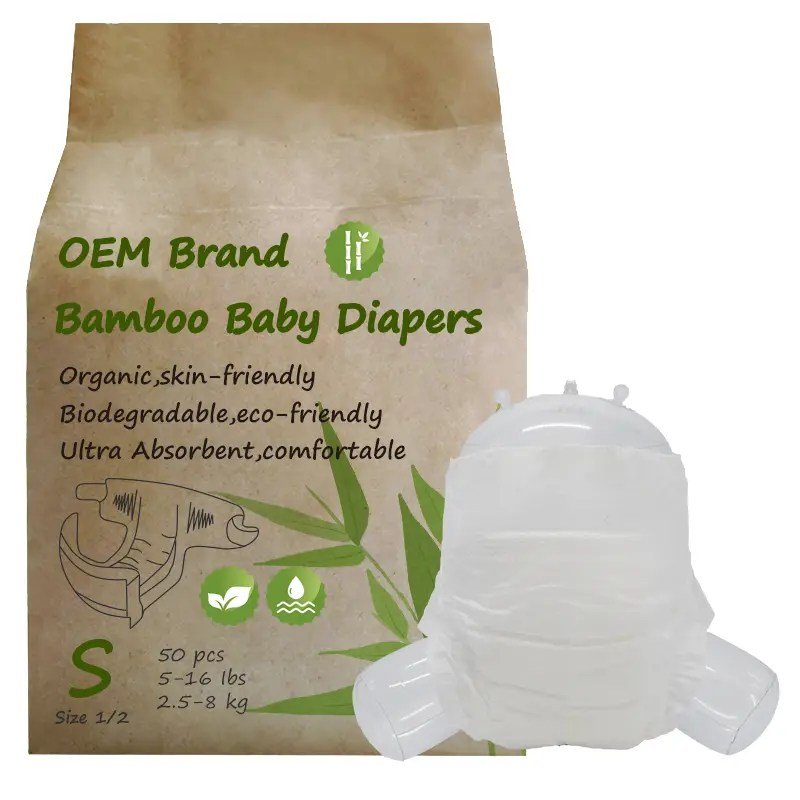
Choosing the right diaper for your baby is a deeply personal decision, one often weighing convenience, cost, and comfort. But for a growing number of parents, the environmental footprint and ingredient list are just as crucial. If you've found yourself comparing Seventh Generation to eco-friendly diaper brands, you're navigating a thoughtful space where sustainability meets practicality. This guide is designed to help you cut through the marketing noise, understand what truly makes a diaper "eco-friendly," and decide if Seventh Generation, or one of its formidable competitors, is the perfect fit for your little one and your values.
You’re not just buying a diaper; you’re investing in your baby’s skin health, your peace of mind, and making a choice about the planet they’ll inherit. Let's unpack the options together.
At a Glance: Key Takeaways
- Seventh Generation Diapers offer a solid entry into the eco-friendly market, known for plant-based materials and being free from common irritants like chlorine bleach, lotions, and fragrances.
- Performance Trade-offs are common in eco-friendly diapers, including Seventh Generation, which may sag quickly and lack a wetness indicator. Absorbency claims might not always match real-world experience for extended periods.
- Price Point: Eco-friendly options, including Seventh Generation, generally sit above conventional diapers but vary significantly among themselves. You often pay a premium for sustainable materials and chemical-free formulations.
- Beyond Seventh Generation: Brands like Earth's Best, Bambo Nature, and Eco by Naty offer compelling alternatives with unique selling points, from enhanced absorbency to compostability.
- Cloth Diapers (e.g., bumGenius) remain the ultimate eco-friendly choice, virtually eliminating waste, but demand a different level of commitment and upfront investment.
- Your "Best" Diaper depends on your priorities: budget, baby's skin sensitivity, absorbency needs, and the degree of environmental impact you're comfortable with.
Why Go Eco-Friendly? The Modern Parent's Dilemma
Picture this: Your baby goes through 6-10 diapers a day. Over two-plus years, that's thousands of diapers heading to a landfill. It's a staggering thought. Traditional disposable diapers are often made with petroleum-based plastics, synthetic gels, and can contain chemicals like chlorine bleach, fragrances, and phthalates, raising concerns about both environmental pollution and potential skin irritation for sensitive babies.
This is where eco-friendly disposable diapers step in. They aim to reduce environmental impact by using renewable, plant-based materials, minimizing harmful chemicals, and sometimes even offering compostable components. They represent a compromise between the convenience of disposables and the environmental benefits of cloth, striving to offer a cleaner, greener option for conscious parents. But not all "eco-friendly" claims are created equal, and understanding the nuances is key.
Seventh Generation Diapers: A Closer Look at the Pioneer
Seventh Generation has long been a recognizable name in the green product space, establishing itself as a leader committed to environmental sustainability. Their diapers are no exception, aiming to provide a balance of performance and planet-friendliness.
What Makes Them "Eco-Friendly"?
At its core, a Seventh Generation diaper is designed with your baby’s health and the planet in mind. They feature a chlorine-free fluff pulp core, sustainably sourced wood pulp, and a soft, quilted liner made from unbleached cotton. This focus on plant-based materials and responsible sourcing is a cornerstone of their environmental promise.
Crucially, Seventh Generation diapers are free from a laundry list of potentially concerning ingredients:
- Chlorine bleach
- Lotions
- Fragrances
- Latex
- Phthalates
- Other potentially harmful chemicals
This "free from" commitment makes them a popular choice for parents of babies with sensitive skin or allergies, minimizing the risk of irritation. The brand also highlights the use of biodegradable materials, aiming to lessen the long-term environmental burden of each diaper.
Brand Philosophy and Ownership
Seventh Generation isn't just about the product itself; it's about a broader ethos. They adhere to cruelty-free and vegan principles, meaning no animal testing and no animal-derived ingredients in their products. This commitment extends to their business practices, including transparent labeling and utilizing recycled and sustainable packaging materials. Since 2016, Seventh Generation has been owned by Unilever, a global consumer goods company, which has allowed for wider distribution and greater market reach for their eco-conscious products.
Performance Snapshot: What to Expect
When it comes to how Seventh Generation diapers perform in real-world scenarios, the feedback is generally positive but comes with a few common observations:
- Absorbency and Leak Protection: The diapers are designed with an acquisition layer and an absorbent core for good protection and a snug fit. While the brand claims up to 12 hours of dryness, many parents find they are effective for a few hours, often requiring changes sooner than some conventional brands, especially for heavy wetters or overnight use. You can dive deeper into their specific features by visiting our detailed page on Explore Seventh Generation Diapers.
- Sagging: A frequently noted characteristic is that Seventh Generation diapers tend to sag quickly when wet. This can be a mixed blessing: it often provides a clear visual cue that a change is needed, but for active babies, a bulky, sagging diaper might become uncomfortable or restrict movement.
- No Wetness Indicator: Unlike many conventional brands (and some eco-friendly ones), Seventh Generation diapers do not include a wetness indicator. This means parents rely on feeling the diaper or observing sag to determine if a change is due.
- Fit: They offer standard diapers, training pants, and overnight options in various sizes, generally providing a good, comfortable fit for most babies.
Availability and Price Point
Seventh Generation diapers are widely available, making them a convenient option for many parents. You can find them in major retail stores, online marketplaces, and specialty baby stores. In terms of cost, they are positioned as an eco-friendly option that isn't the absolute least expensive on the market, but also not the most premium. They typically fall into a mid-to-high price range compared to conventional diapers.
Parent Reviews and Sentiment
On platforms like Amazon, Seventh Generation diapers generally receive favorable reviews, averaging around 4.4 out of 5 stars. Many parents recommend them for their chemical-free nature and effectiveness for sensitive skin. However, some reviews echo the points about absorbency potentially not lasting as long as claimed and the cost being higher than non-eco brands.
Pros of Seventh Generation Diapers:
- Made with renewable and sustainable resources.
- Free of lotions, chlorine bleach, fragrances, latex, phthalates, and other potentially harmful ingredients, making them hypoallergenic.
- Commitment to cruelty-free and vegan principles.
- Transparent labeling and sustainable packaging.
Cons of Seventh Generation Diapers: - May be more expensive than many conventional brands.
- Tend to sag quickly when wet, potentially becoming bulky.
- Lack a wetness indicator.
- Absorbency may not last as long as claimed, especially for heavy wetters or overnight.
Understanding "Eco-Friendly" in Diapers: What Really Matters?
The term "eco-friendly" can be a broad umbrella in the diaper world. To make an informed decision, it helps to understand the specific attributes brands focus on and why they matter.
Defining Key Terms
- Plant-Based Materials: This refers to materials derived from renewable plant sources like wood pulp, corn, or sugar cane, rather than petroleum-based plastics. These are generally more sustainable to produce and can sometimes be more biodegradable.
- Chlorine-Free: Chlorine bleach is commonly used to whiten diaper pulp. Elemental chlorine-free (ECF) bleaching reduces some toxins, but truly Total Chlorine-Free (TCF) bleaching uses oxygen-based systems, completely avoiding chlorine and its harmful byproducts (like dioxins, which are potent carcinogens and environmental pollutants).
- Biodegradable: A product is biodegradable if it can be broken down by microorganisms in the environment. However, "biodegradable" often requires specific conditions (e.g., industrial composting facilities) that aren't readily available for most municipal waste streams, especially for plastic components. Many "biodegradable" claims for diapers might only apply to a portion of the diaper.
- Compostable: This is a step beyond biodegradable. A compostable product will break down into organic matter within a specific timeframe and leave no toxic residue. For diapers, "compostable" usually refers to industrial composting, which is even rarer than industrial biodegrading. Eco by Naty stands out here as one of the few brands striving for this.
- Sustainably Sourced: This applies to raw materials, particularly wood pulp. Certifications like FSC (Forest Stewardship Council) ensure that wood comes from responsibly managed forests, promoting biodiversity and ethical practices.
- "Free From" Harmful Chemicals: This typically includes chlorine, phthalates, parabens, fragrances, lotions, and heavy metals. These chemicals can be irritants for sensitive skin and raise broader health concerns.
Why These Attributes Matter
- For Your Baby's Skin: Eliminating harsh chemicals, fragrances, and dyes can significantly reduce the risk of rashes, irritation, and allergic reactions, especially for newborns and infants with delicate skin.
- For the Environment:
- Reduced Landfill Waste: Biodegradable and compostable components aim to break down faster, lessening the burden on landfills.
- Lower Resource Consumption: Using renewable plant-based materials and sustainably sourced pulp reduces reliance on finite fossil fuels and helps protect forests.
- Cleaner Manufacturing: Avoiding chlorine bleach and other harsh chemicals means less pollution in the manufacturing process and fewer toxins released into wastewater.
It’s important to manage expectations: truly 100% "eco-friendly" disposable diapers that vanish without a trace are still largely aspirational. The goal is to significantly reduce environmental impact compared to conventional options.
The Contenders: Top Eco-Friendly Diaper Alternatives to Seventh Generation
While Seventh Generation holds a strong position, several other brands are innovating and offering excellent alternatives, each with its own strengths. Let's explore some of the top competitors you might consider.
Earth’s Best TenderCare Chlorine-Free Diapers
What they are: Earth's Best is another well-known name in the organic and natural baby product market. Their TenderCare Chlorine-Free Diapers offer a very similar philosophy to Seventh Generation.
Key Features:
- Chlorine-free processing: Uses natural materials without chlorine bleach.
- Latex-free, dye-free, fragrance-free: Gentle on sensitive skin.
- Sustainable materials: Often use corn and wheat starches in their absorbent core and other plant-based materials.
- Breathable sides: Designed for comfort and to reduce heat build-up.
How they compare to Seventh Generation: Earth's Best often mirrors Seventh Generation's commitment to chemical-free and sustainable attributes. Parents frequently compare the two directly in terms of performance and fit. While individual experiences vary, some find Earth's Best to be slightly softer or have a different fit profile. You can learn more about their offerings here: Earth's Best TenderCare Chlorine-Free Diapers.
Performance: Generally reliable for daytime use, with absorbency similar to Seventh Generation. Some parents report good overnight performance, while others find them better suited for shorter wear times.
Bambo Nature Premium Baby Diapers
What they are: Hailing from Denmark, Bambo Nature is often seen as a premium eco-friendly diaper option, renowned for its soft feel, high performance, and robust environmental certifications.
Key Features:
- Extensive eco-certifications: Often carry the Nordic Swan Ecolabel, FSC-certified, and dermatologically tested.
- Ultra-soft and flexible: Known for a very comfortable, cloth-like feel.
- High absorbency: Many parents praise Bambo Nature for superior absorbency and leak protection, even for overnight use.
- Free from harmful chemicals: No chlorine, perfumes, parabens, phthalates, or lotions.
- Breathable backsheet: Helps keep baby's skin dry and reduces irritation.
How they compare to Seventh Generation: Bambo Nature is typically more expensive than Seventh Generation. However, the higher price often comes with a perceived increase in quality, especially regarding absorbency and overall softness. Many parents feel Bambo Nature offers greater value due to its enhanced performance, making it a strong contender if absorbency is a top priority. Explore their premium features: Bambo Nature Premium Baby Diapers.
Performance: Frequently cited as one of the best-performing eco-friendly disposables, especially for heavy wetters and overnight. They tend to hold up well without significant sag.
Eco by Naty Baby Diapers
What they are: A Swedish brand that pushes the boundaries of eco-conscious diapering, Eco by Naty is particularly notable for its strong emphasis on compostable materials.
Key Features:
- Compostable (partially): A significant environmental advantage, as they strive for maximum biodegradability and compostability in industrial facilities (where available).
- Plant-based outer layer: Features a film based on corn starch, rather than traditional plastic.
- FSC-certified wood pulp: Ensures responsible forestry.
- No harsh chemicals: Free from chlorine, fragrances, dyes, GMOs, latex, and phthalates.
- Breathable: Designed to promote airflow and skin health.
How they compare to Seventh Generation: Eco by Naty is generally more expensive than Seventh Generation, much like Bambo Nature. However, its unique selling proposition is its commitment to compostability, offering a potentially much lower environmental impact where industrial composting facilities exist. This makes it an attractive option for parents whose primary concern is waste reduction beyond just sustainable materials. Discover their compostable edge: Eco by Naty Baby Diapers.
Performance: Parents find them generally absorbent for daytime use. While the compostable aspect is a huge draw, some find the fit and overall absorbency to be comparable to, or slightly less than, premium brands like Bambo Nature, but still a solid eco choice.
bumGenius Elemental One-Size All-In-One Cloth Diaper (The Ultimate Eco Choice)
What they are: While not a disposable diaper, no discussion of eco-friendly diapering is complete without mentioning cloth. bumGenius is a highly rated brand in the cloth diaper market, known for its user-friendly "all-in-one" design.
Key Features:
- 100% Organic Cotton: Made with natural, breathable fibers against baby's skin.
- One-Size Design: Adjustable to fit babies from approximately 8-35 lbs, saving money and reducing the need for multiple size purchases.
- All-In-One Convenience: Absorbent layers are sewn directly into the waterproof cover, making them as simple to use as a disposable (just snap and go).
- Reusable: Washed and reused countless times, virtually eliminating landfill waste.
How they compare to Seventh Generation (and all disposables): This is the gold standard for environmental friendliness in diapering. It drastically reduces waste and is made from renewable, natural fibers. The main trade-off is convenience: cloth diapers require washing and a higher upfront investment (though they save money in the long run). If you're serious about minimizing your environmental footprint, explore options like the bumGenius Elemental One-Size All-In-One Cloth Diaper.
Performance: Excellent absorbency with proper care. The organic cotton is very gentle on sensitive skin. The main "performance" consideration is the washing routine.
Side-by-Side: Seventh Generation vs. The Best of the Rest
To help you visualize the differences, here’s a comparative snapshot of Seventh Generation against its key eco-friendly competitors. Remember, these are general observations, and individual experiences may vary.
| Feature | Seventh Generation | Earth's Best TenderCare | Bambo Nature Premium Baby | Eco by Naty Baby | bumGenius Elemental (Cloth) |
|---|---|---|---|---|---|
| Key Eco-Focus | Plant-based, chlorine-free, sustainable | Chlorine-free, natural materials | Nordic Swan Ecolabel, FSC, ultra-soft | Compostable, plant-based outer layer | Reusable, 100% organic cotton, zero waste |
| "Free From" | Chlorine, lotions, fragrances, latex, phthalates | Chlorine, latex, dyes, fragrance, petroleum | Chlorine, perfumes, parabens, phthalates, lotions | Chlorine, fragrances, dyes, GMOs, latex, phthalates | Synthetics (if 100% cotton), chemical washes (if organic) |
| Absorbency (General) | Good for daytime, may sag; less than 12 hrs | Good for daytime, similar to SG | Excellent, often great for overnight | Good for daytime, decent for light wetters | Excellent, especially with inserts |
| Wetness Indicator | No | No (usually) | Yes (most models) | No | N/A (visual check) |
| Price Point (Relative) | Mid-High | Mid-High | High | High | High upfront, very low long-term |
| Unique Selling Point | Established brand, broad availability | Similar value to SG, trusted organic brand | Superior softness & absorbency, strong certs | Compostable materials, plastic-free feel | Zero waste, long-term cost savings |
| Parent Rating (Avg.) | 4.4/5 | Similar to SG | Often 4.5+/5 | Often 4.3/5 | 4.6/5 |
Making Your Choice: Key Factors to Consider
With a clearer picture of the landscape, how do you narrow down the best eco-friendly diaper for your family? Here are the critical factors to weigh:
1. Budget: Cost Per Diaper
Eco-friendly diapers often come with a higher price tag than conventional options. Calculate the "cost per diaper" rather than just the package price. A slightly more expensive package with fewer diapers might actually be pricier per unit.
- Seventh Generation: Offers a good balance; more expensive than generic, but often less than premium eco-brands.
- Bambo Nature / Eco by Naty: These are typically at the higher end. Consider if their specific benefits (superior absorbency, compostability) justify the extra cost for you.
- Cloth Diapers: Highest upfront cost, but lowest long-term cost. Factor in washing expenses (water, electricity, detergent).
2. Skin Sensitivity: Ingredient Purity
If your baby has delicate skin prone to rashes, prioritizing the "free from" list is paramount.
- All brands mentioned prioritize being free from chlorine, fragrances, and lotions.
- Seventh Generation and Earth's Best are excellent starting points for hypoallergenic needs.
- Bambo Nature is frequently praised for its softness and gentleness on sensitive skin due to its premium materials and rigorous certifications.
3. Absorbency Needs: Day vs. Night, Heavy Wetters
The performance of an "eco-friendly" core can sometimes differ from the super-absorbent gels in conventional diapers.
- Daytime: Most eco-friendly brands, including Seventh Generation, perform well for average daytime use.
- Nighttime / Heavy Wetters: This is where brands differentiate. Bambo Nature is often cited as a standout for its superior absorbency for longer stretches or heavier wetters. Seventh Generation might require more frequent changes.
- Sagging: If a bulky, sagging diaper bothers you or your active baby, consider brands known for better retention, like Bambo Nature.
4. Environmental Impact Level: Your Green Commitment
How "green" do you want to go? The spectrum ranges from reducing harmful chemicals to virtually zero waste.
- Reduced Chemicals/Sustainable Materials: Seventh Generation and Earth's Best are strong in this category.
- Advanced Sustainability/Certifications: Bambo Nature excels with robust eco-labels and responsible sourcing.
- Compostability: Eco by Naty offers a significant step forward in waste reduction, provided you have access to industrial composting.
- Zero Waste: Cloth diapers like bumGenius are the ultimate choice for minimal environmental footprint, but demand a different lifestyle.
5. Convenience: Features That Matter
Little things can make a big difference in the daily grind of parenting.
- Wetness Indicator: If you rely on this visual cue, note that Seventh Generation and Eco by Naty typically lack it, while Bambo Nature usually includes one.
- Availability: Seventh Generation and Earth's Best are widely accessible. Others might require ordering online or finding specialty stores.
- Fit and Feel: Some parents prefer a softer, more flexible diaper (like Bambo Nature), while others prioritize a snug, secure fit. Trying different brands, even for a few diapers, can reveal what works best for your baby's body shape.
Common Questions Parents Ask About Eco-Friendly Diapers
Let's address some of the frequently asked questions that come up when parents consider making the switch to greener diapering options.
Are "eco-friendly" diapers really better for the environment?
Yes, generally they are. While no disposable diaper is truly "zero impact," eco-friendly brands like Seventh Generation significantly reduce their footprint compared to conventional diapers. They achieve this by:
- Using more renewable, plant-based materials instead of petroleum plastics.
- Avoiding harmful chemicals like chlorine bleach in manufacturing, which reduces water pollution.
- Often incorporating sustainably sourced materials (e.g., FSC-certified wood pulp).
- Some, like Eco by Naty, even integrate compostable components, further reducing landfill burden where facilities exist.
The goal is a net reduction in environmental harm, even if perfect sustainability remains a challenge.
Are they as absorbent as conventional diapers?
This varies significantly by brand and by a baby's needs. Many eco-friendly diapers, including Seventh Generation, offer good absorbency for regular daytime use. However, some parents find that traditional diapers, with their super-absorbent polymer gels, can offer longer-lasting dryness, especially for heavy wetters or extended overnight use. Brands like Bambo Nature often bridge this gap, offering superior absorbency within the eco-friendly category. It's often a trade-off: highly effective chemical absorbents vs. gentler, plant-based ones.
Why are eco-friendly diapers more expensive?
The higher price point for eco-friendly diapers typically stems from several factors:
- Cost of Sustainable Materials: Sourcing and processing plant-based, sustainably harvested, or certified organic materials often cost more than mass-produced conventional ingredients.
- "Free From" Manufacturing: Avoiding harsh chemicals usually requires different, sometimes more expensive, manufacturing processes.
- Certifications: Obtaining and maintaining certifications (like FSC, Nordic Swan Ecolabel) involves significant investment from the brand.
- Economies of Scale: Eco-friendly brands, while growing, often don't have the same vast production scale as conventional diaper giants, meaning higher unit costs.
What about wetness indicators? Do eco-friendly diapers have them?
Most eco-friendly diaper brands, including Seventh Generation and Eco by Naty, often omit wetness indicators. This is often part of their commitment to reducing unnecessary chemicals or synthetic components (the strip that changes color often contains chemicals). Bambo Nature is an exception, frequently including a wetness indicator in their designs. For parents used to this convenience, it can take some adjustment to rely on visual checks (sagging, puffiness) or feeling the diaper.
Do they fit differently?
While fit is highly individual to each baby's body shape, eco-friendly diapers generally aim for a comfortable, secure fit similar to conventional diapers. However, the materials can affect the feel and how they sit:
- Softer Materials: Some eco-brands, like Bambo Nature, are known for a particularly soft, cloth-like feel.
- Sagging: As noted with Seventh Generation, some eco-diapers can sag more noticeably when wet due to the composition of their absorbent core. This doesn't necessarily mean a bad fit, but it can be bulkier.
It's always a good idea to try a small pack of different brands to see which fit your baby best and feel most comfortable.
Beyond the Diaper: Holistic Eco-Parenting Choices
Choosing eco-friendly diapers is a fantastic step, but it's often part of a larger journey into sustainable parenting. Consider how other choices can align with your values:
- Baby Wipes: Opt for biodegradable, plant-based, and fragrance-free wipes.
- Baby Products: Choose organic cotton clothing, natural skincare products, and eco-friendly toys.
- Feeding: Explore reusable food pouches, glass bottles, or breast milk storage options.
- Waste Reduction: Focus on recycling, composting food scraps, and reducing single-use plastics in your home.
Every small decision contributes to a larger impact, both on your family's health and the planet.
Your Next Step: Finding the Right Fit for Your Family
The journey of comparing Seventh Generation to eco-friendly diaper brands isn't about finding a single "perfect" answer that suits everyone. It's about discovering the best match for your baby, your budget, and your environmental priorities.
Seventh Generation offers a solid, widely available, and trustworthy option for parents seeking a chemical-free, sustainably-minded disposable diaper. Its balance of cost, availability, and eco-credentials makes it an excellent starting point. However, if you find yourself needing more absorbency, desiring a truly compostable option, or simply want to explore what else is out there, brands like Earth's Best, Bambo Nature, and Eco by Naty present compelling alternatives. And for those ready for the ultimate environmental commitment, the world of cloth diapering, exemplified by bumGenius, awaits.
Don't be afraid to try a few different brands. Many retailers offer trial packs or smaller quantities, allowing you to experience the fit, feel, and performance before committing to a larger box. Trust your instincts, observe how your baby's skin reacts, and find the diaper that brings you peace of mind, one comfortable, clean change at a time.