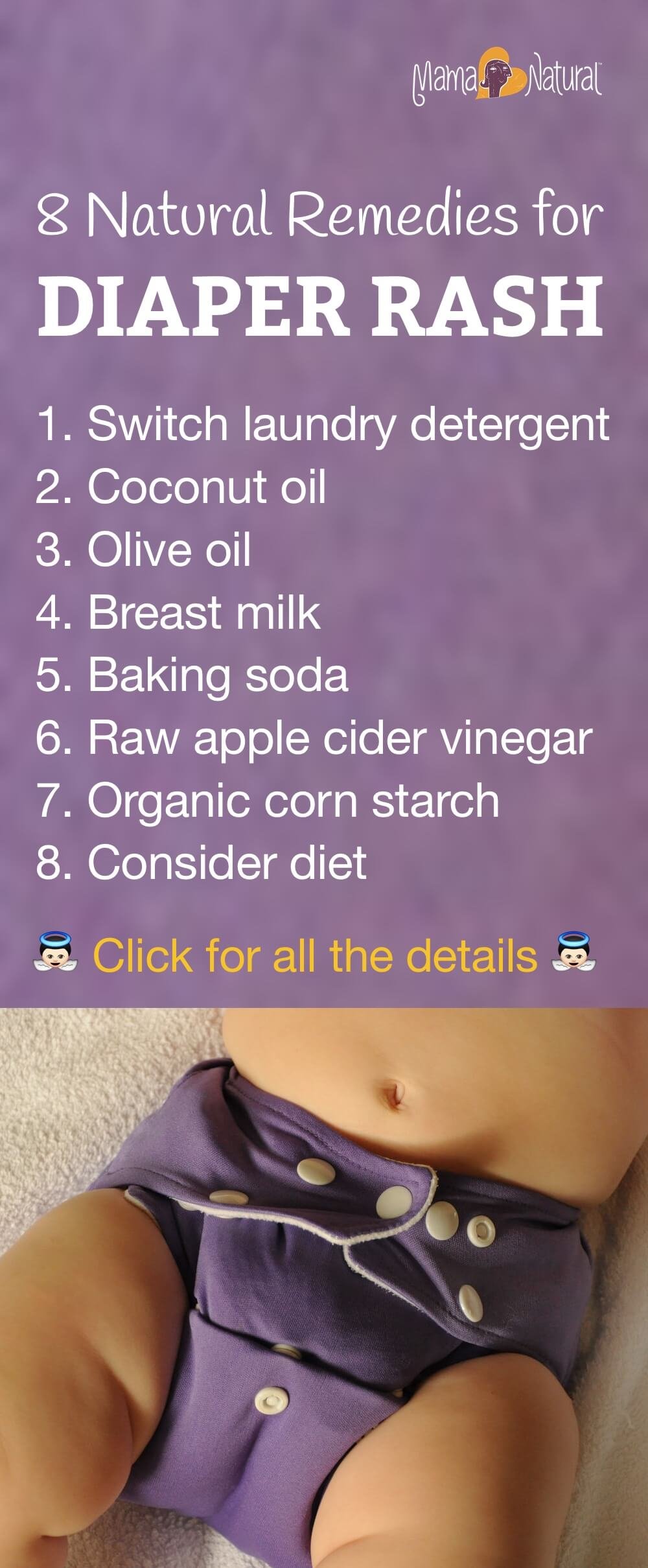
Few things are as universally dreaded by new parents as the sight of a red, angry diaper rash on their baby's tender skin. It's heart-wrenching to see your little one uncomfortable, and the quest for a solution can feel overwhelming. But what if one of the simplest changes you could make – choosing natural diapers – held the key to significantly reducing these unwelcome flare-ups?
In this comprehensive guide, we're diving deep into the world of preventing diaper rash with natural diapers, exploring not just how these eco-conscious choices make a difference, but also arming you with a full arsenal of proactive strategies and gentle remedies. Get ready to transform your baby’s diaper-wearing experience, making it more comfortable, safer, and blissfully rash-free.
At a Glance: Key Takeaways for a Happy Bottom
- Understand the Enemy: Diaper rash isn't a single condition; it can be contact, seborrheic, or yeast-related. Knowing the type helps tailor prevention and treatment.
- Natural Diapers are Your First Line of Defense: They minimize exposure to harsh chemicals, dyes, and fragrances, while often offering superior breathability.
- Change Frequently, Clean Gently: Regular diaper changes and proper, gentle cleaning with fragrance-free products are non-negotiable foundations for prevention.
- Embrace Air Time: Letting your baby's bottom air out is a simple yet powerful way to combat moisture.
- Diet Matters: Probiotics for baby (or breastfeeding mom) and avoiding irritating foods can make a big difference from the inside out.
- Gentle Remedies for Mild Rashes: Natural options like coconut oil, aloe vera, and oatmeal baths can soothe minor irritations, but always know when to call the pediatrician.
Decoding Diaper Rash: What's Really Happening?
Before we talk about prevention, let's get clear on what we're up against. Diaper rash, medically known as diaper dermatitis, is incredibly common, affecting nearly every baby at some point. It’s primarily an inflammatory reaction of the skin in the diaper area, but its causes and appearance can vary. Understanding these nuances empowers you to tackle the problem head-on.
The Unwelcome Guest: A Quick Overview
At its core, diaper rash is often caused by prolonged exposure to moisture (urine and feces), friction from the diaper itself, and irritation from chemicals found in various baby products. The warm, moist environment of a diaper is a breeding ground for problems if not managed carefully.
Understanding the Culprits: Moisture, Friction, and Irritants
Imagine your baby’s delicate skin. When it’s constantly wet, it becomes vulnerable, its natural barrier weakened. Then add the rubbing of a diaper, and you’ve got friction-induced irritation. Compound that with the acidity of urine or digestive enzymes in stool, and you have a perfect storm for inflammation. Many conventional baby products – from diapers to wipes to lotions – introduce synthetic fragrances, dyes, and harsh chemicals that can further irritate this already sensitive area.
The Different Faces of Rash: Beyond the Basic Redness
Not all red bottoms are created equal. Identifying the type of rash helps you choose the right approach.
- Contact Dermatitis: This is the most common. It appears as red, inflamed patches that might blister or ooze. It’s typically caused by irritation from chemicals in soaps, lotions, or even the diaper itself, or simply from prolonged contact with wetness.
- Seborrheic Dermatitis: Less common in the diaper area, but possible, it presents as a thick, yellowish, itchy, and sore crust. This can be linked to skin pH imbalance or sensitivities to skincare ingredients.
- Yeast Infections (Candida albicans): Often a secondary infection, these are stubborn and can be triggered by factors like antibiotic use or simply a moist environment. Symptoms include intense redness, swelling, and a distinctive "cheesy" appearance, often with satellite lesions (small red bumps or pustules away from the main rash). Yeast rashes are notorious for resisting typical rash creams.
Untreated or severe rashes can escalate quickly, leading to peeling skin, oozing blisters, pus, and even broken or bloody skin. If you suspect a yeast infection—meaning the rash is redder and more inflamed than usual, has well-defined patches with raised edges, and stubbornly resists typical treatments—it's time to act.
When to Seek Professional Help
While many rashes can be managed at home, it's crucial to know when to consult a pediatrician. If the rash worsens despite your best home efforts, spreads, includes peeling skin or pus-filled blisters, is accompanied by a fever, or just doesn't seem to get better, call your doctor. Early intervention can prevent minor irritation from becoming a serious infection.
The Natural Advantage: Why Your Diaper Choice Matters
Now that we understand diaper rash, let's talk about a powerful preventive tool: natural diapers. These aren't just a trend; they represent a fundamental shift towards safer, gentler care for your baby and the planet.
Beyond the Buzzword: What Defines a Natural Diaper?
"Natural" in the context of diapers typically refers to products made with a strong emphasis on plant-based, renewable, or sustainably sourced materials, and a deliberate exclusion of common irritants and harmful chemicals. This often means they are:
- Chlorine-free: Dyes and fragrances are often linked to skin irritation.
- Fragrance-free and dye-free: Dyes and fragrances are common culprits for contact dermatitis.
- Hypoallergenic: Designed to minimize allergic reactions.
- Free from harsh chemicals: This includes phthalates, parabens, lotions, and sometimes even petroleum-based ingredients.
- Made with plant-based materials: Often featuring cotton, bamboo, or other sustainable fibers in their absorbent layers and outer covers, promoting breathability.
The Breathability Factor: Less Sweat, Less Trouble
One of the key benefits of natural diapers is their enhanced breathability. Conventional diapers often rely on plastics and synthetic materials that can trap heat and moisture, creating a humid microclimate. Natural diapers, with their plant-based components, allow for better air circulation. This reduced humidity keeps the skin drier, cooler, and less prone to the bacterial and fungal growth that thrives in moist environments. A breathable diaper acts like a tiny ventilation system for your baby’s bottom, significantly reducing the risk of irritation.
Saying No to Harsh Chemicals: A Clearer Path to Comfort
This is perhaps the most significant advantage. Your baby’s skin is incredibly thin and permeable, making it more susceptible to absorbing chemicals. Conventional diapers and wipes can contain a cocktail of ingredients that, while deemed safe in small quantities, can be problematic for sensitive skin, especially when in constant contact. These include:
- Fragrances: A leading cause of contact dermatitis.
- Dyes: Often synthetic and irritating.
- Phthalates and Parabens: Chemicals used for flexibility and preservation, with potential endocrine-disrupting effects.
- Lotions/Petrolatum: While intended to moisturize, these can sometimes trap moisture or contain impurities.
- Chlorine: Used in the bleaching process of traditional diapers, leaving trace amounts of dioxins.
By opting for natural, chlorine-free, fragrance-free, and dye-free diapers, you dramatically reduce your baby's exposure to these potential irritants. This creates a cleaner, safer environment for their delicate skin to thrive. When considering your options, you might want to explore brands like Seventh Generation diapers, known for their commitment to plant-based materials and absence of harsh chemicals.
Your Proactive Playbook: Everyday Strategies for Prevention
Choosing natural diapers is an excellent start, but it's just one piece of the puzzle. A truly rash-free bottom requires a holistic, consistent approach. Here’s your comprehensive playbook for proactive prevention.
Change is Good: The Golden Rule of Diapering
This is the most fundamental and effective strategy. Wetness and acidity from urine and feces are the primary triggers for diaper rash. The longer your baby sits in a soiled diaper, the higher the risk.
- Frequency is Key: Aim to change diapers every 2-3 hours, or even more often for newborns, and immediately after a bowel movement. Don't wait for the diaper to be completely saturated.
- Pre-emptive Changes: If you know your baby is prone to rash, or if they've just had a bowel movement, change them immediately, even if it feels too soon.
- Overnight Strategy: While many babies can go longer overnight, if your baby is prone to night rashes, consider a highly absorbent natural diaper designed for extended wear, or even a quick, sleepy change if necessary.
Cleanliness is Next to Rash-Free Skin: Gentle Wipes and Washes
How you clean your baby's bottom is just as important as how often.
- Warm Water Wins: For babies with very sensitive skin or an active rash, warm water and a soft cloth are often the best choice. This avoids any potential irritants in wipes.
- Fragrance-Free Wipes: If you use wipes, always choose fragrance-free, alcohol-free, and hypoallergenic varieties. Look for ingredients like aloe or chamomile, but avoid anything with harsh chemicals or synthetic colorants. Discovering the best natural wipes for your baby can make a significant difference in preventing irritation.
- Wipe Front to Back: Especially important for girls, wiping from front to back prevents bacteria from the anal area from spreading to the genitals and urinary tract.
- Pat, Don't Rub: Gentle dabbing is always better than rubbing, which can cause friction and further irritate sensitive skin.
- Thorough Drying is Crucial: After cleaning, ensure the area is completely dry before putting on a new diaper. Moisture trapped in folds can quickly lead to irritation or yeast growth. You can gently pat dry with a soft cloth or let it air dry for a minute or two.
What to Avoid in Wipes and Cleansers
Stay away from baby products containing:
- Harsh chemicals
- Synthetic colorants
- Fragrances
- Alcohol
- Petrolatum (due to potential PAHs, though widely used)
- Talcum powder (inhalation concerns)
- Cornstarch (can feed yeast infections)
Let It Breathe: The Power of Diaper-Free Time
One of the simplest yet most effective ways to prevent diaper rash is to give your baby’s skin a break from the diaper entirely.
- Daily Air Time: Aim for at least 15-30 minutes of diaper-free time each day, ideally spread out over a few sessions. This allows the skin to dry completely, air out, and heal.
- Strategic Moments: Lay your baby on a waterproof mat or towel after a diaper change, during tummy time, or after a bath. Keep a close eye, and have a cloth or small potty nearby for unexpected accidents!
- Warmth is Key: Ensure the room is comfortably warm so your baby doesn't get chilled during their naked time.
Dietary Defense: What Goes In, Comes Out
Believe it or not, what your baby eats (or what a breastfeeding mother eats) can directly impact the acidity and consistency of their stool, thereby influencing diaper rash.
Probiotics: A Gut Feeling for Good Skin
A healthy gut microbiome is fundamental to overall health, including skin health. Probiotics can help maintain a balanced digestive system, which in turn can reduce inflammation, regulate bowel movements, and boost immunity.
- For Baby: If your baby is old enough for solids, introduce probiotic-rich foods like plain yogurt (with live cultures), kefir, or consult your pediatrician about infant probiotic supplements, especially if they’ve been on antibiotics. Exploring the benefits of probiotics for infant health can reveal how these beneficial bacteria help prevent antibiotic-induced yeast rashes by maintaining a healthy gut flora.
- For Breastfeeding Mothers: If you’re breastfeeding, incorporating probiotic foods into your own diet can pass those benefits to your baby through breast milk. Aim for 1-2 servings daily from sources like yogurt, kefir, sauerkraut, kimchi, or miso soup.
Troublesome Tastes: Foods to Watch For
Certain foods can make stool more acidic or cause digestive upset, leading to irritation.
- Acidic Foods: Common culprits include acidic citrus fruits (oranges, lemons), tomatoes, and berries. If your baby is prone to rash, introduce these foods one at a time and monitor their skin.
- Dairy Products: For some babies, dairy sensitivity (lactose intolerance or casein allergy) can manifest as loose, irritating stools.
- Spicy Foods: If breastfeeding, be mindful of very spicy foods in your diet, as they can sometimes affect breast milk.
- Keep a Food Diary: If you're struggling with persistent rashes, keep a food diary to track correlations between new foods introduced (for baby or breastfeeding mom) and diaper health. Understanding how your baby's diet affects their skin can be a crucial step in prevention.
A Consistent Hug: Nurturing Skin with a Routine
A gentle, consistent skincare routine helps build and maintain your baby's natural skin barrier.
Choosing the Right Skincare for Your Little One
- Lukewarm Water for Baths: Use warm (not hot) water for bathing. Hot water can strip the skin of its natural oils.
- Gentle Cleansers: For newborns, plain water is often sufficient. As they get older, choose a mild, fragrance-free, pH-balanced baby wash only when necessary.
- Moisturize Regularly: After each bath, gently pat your baby dry and apply a fragrance-free, hypoallergenic moisturizer, paying special attention to skin folds. This helps lock in moisture and protect the skin barrier.
- Bathing Frequency: Newborns typically need baths 2-3 times a week; you can increase frequency as they get older and more active, but always watch for signs of dry skin.
- Diaper Creams as a Barrier: For everyday prevention, especially if your baby is prone to redness, consider a thin layer of a natural diaper cream containing zinc oxide or lanolin. These create a physical barrier between the skin and wetness. Avoid petroleum-based compounds, cornstarch, and talc powder.
- For more holistic advice, you might find more essential baby skincare tips useful in establishing a comprehensive routine.
Nature's Pharmacy: Soothing Minor Rashes with Gentle Remedies
Even with the best preventive measures, a mild rash might occasionally appear. Before reaching for medicated creams, consider these natural remedies for soothing minor irritations.
Important Disclaimer: These remedies are intended for minor diaper rashes. If the rash is severe, persists for more than a couple of days, shows signs of infection (pus, fever), or you suspect a yeast infection, always consult your pediatrician immediately.
The Golden Oils: Coconut and Olive
- Coconut Oil: A true superstar, coconut oil is rich in lauric acid, giving it powerful anti-inflammatory and antimicrobial properties. It helps reduce redness and swelling, locks in moisture, and creates a protective barrier. Gently massage a small amount onto the affected area after cleaning and drying.
- Olive Oil: Packed with antioxidants, olive oil promotes healing and forms a gentle skin barrier. It can be mixed with a gentle lotion or cream for easier application.
- Application: Apply a thin layer of either oil after each diaper change. Always perform a patch test on a small area of your baby's skin before widespread use to ensure no allergic reaction.
Aloe Vera: The Cooling Touch
Known for its anti-inflammatory and cooling properties, pure aloe vera gel can reduce redness and irritation, and even kill certain bacteria.
- Application: Apply a thin layer of pure aloe vera gel directly to the affected area after cleaning and drying. Look for products that are 100% pure, with no added alcohol, fragrances, or other compounds. You can also add a small amount to bath water for a soothing soak.
Oatmeal Baths: A Calming Soak
Oatmeal contains natural anti-inflammatory compounds called avenanthramides that soothe irritated skin, reduce itching, and protect the skin barrier.
- Application: Add 1/2 cup of colloidal oatmeal (finely ground oats designed for baths) or 1 cup of old-fashioned oats (pulverized into a fine powder) to lukewarm bath water. Let your baby soak for 15-20 minutes. Gently pat dry afterward. This can be used 2-3 times a day for soothing relief.
Baking Soda Paste: pH Balance on Demand
Diaper rash often results from the skin's pH being thrown off by acidic urine and feces. Baking soda can help neutralize the skin's pH level, promoting healing.
- Application: Mix 1-2 teaspoons of baking soda with 1 tablespoon of water (or a 1:3 ratio of baking soda to cool water) to form a smooth paste. Apply it to the affected area for 5-15 minutes, then rinse thoroughly with warm water and pat dry. Limit applications to twice daily to avoid over-drying the skin.
Crafting Your Own Comfort: Homemade Creams and Salves
Creating your own diaper cream ensures you know exactly what’s going on your baby's skin, free from questionable additives. These can provide a natural moisture barrier.
- Recipe: Melt 1/4 cup shea butter and 1 tablespoon coconut oil together. Remove from heat and stir in 2 tablespoons non-nano zinc oxide (for barrier protection), 2 teaspoons bentonite clay (for drawing out impurities), and a few drops of baby-safe essential oils like lavender, frankincense, or Roman chamomile (ensure extreme dilution and consult a professional for safe essential oil use with babies).
- Application: Blend ingredients well and allow to cool and solidify slightly before whipping. Rub a small amount onto the rash with each diaper change.
- Remember to Avoid: Petroleum-based compounds, cornstarch, and talc powder in your homemade creations.
Apple Cider Vinegar: A Natural Disinfectant
The acetic acid in apple cider vinegar acts as a natural disinfectant, helping to relieve itching and kill bacteria or other pathogens that might be contributing to the rash.
- Application: Dilute about 1 cup of apple cider vinegar in a bathtub of lukewarm water and let your child soak for 5-10 minutes. Never apply undiluted apple cider vinegar directly to your baby's skin, as it is highly acidic and can cause burns. Rinse the area gently after the bath.
Essential Oil Sprays: Aromatic Protection
Certain essential oils possess antimicrobial properties that can help prevent infection and soothe irritation. Caution is paramount when using essential oils on babies. Always dilute them heavily and choose oils known to be safe for infants.
- Recipe: In a 4 oz spray bottle, combine 3-5 drops of high-quality lavender essential oil, 2 drops of frankincense, and 1 drop of tea tree essential oil. Add 1 tablespoon of a carrier oil like olive oil or fractionated coconut oil, then fill the rest with distilled water. Shake well before each use.
- Application: Spray lightly onto the baby's bottom, let it air dry for a minute, then apply a clean diaper.
- Dive deeper into safe essential oil use for children to ensure you're using them correctly and sparingly.
Essential Oil Safety First
- Always Dilute: Essential oils are potent. Always dilute them significantly for babies.
- Patch Test: Perform a patch test on a small area of skin before wider application.
- Avoid Internal Use: Never give essential oils internally.
- Consult a Professional: If unsure, consult an aromatherapist or pediatrician knowledgeable about essential oils for infants.
Epsom Salts: Magnesium's Gentle Embrace
Epsom salts (magnesium sulfate) are renowned for their soothing and anti-inflammatory properties, making them excellent for irritated skin.
- Application: Add 1/2 to 1 cup of Epsom salt to a tub of lukewarm water. Let your child soak for 10-15 minutes. You may see improvement within a day. Repeat the next day if necessary, but it's not recommended as a daily bath.
Liquid Gold: The Healing Power of Breast Milk
For nursing mothers, breast milk is truly liquid gold, packed with antibodies, anti-inflammatory compounds, and vitamin D, all of which aid in healing. Studies have even shown it can be as effective as some conventional ointments.
- Application: Simply express a few drops of breast milk and apply it directly to the clean, dry rash. Allow it to air dry before putting on a new diaper.
- Caution: While powerful, breast milk contains natural sugars. For a confirmed Candida yeast rash, breast milk might not be ideal as the sugars could potentially exacerbate the yeast growth. In such cases, opt for antifungal treatments recommended by your pediatrician.
When to Elevate the Conversation: Calling Your Pediatrician
While natural remedies and diligent prevention go a long way, there are clear indicators that your baby needs professional medical attention for a diaper rash:
- No Improvement: The rash doesn't improve after 2-3 days of consistent home care and natural remedies.
- Worsening Symptoms: The rash gets worse, spreads, or becomes more inflamed despite your efforts.
- Signs of Infection: The rash shows signs of bacterial infection (pus-filled blisters, oozing, yellow crusts) or yeast infection (intense redness, raised edges, satellite lesions, "cheesy" appearance that resists standard rash cream).
- Pain or Fever: Your baby seems to be in significant pain during diaper changes, or develops a fever in conjunction with the rash.
- Open Sores or Bleeding: The skin breaks open, bleeds, or appears raw.
- Unusual Rash: Any rash that looks significantly different from typical diaper rash, or appears elsewhere on the body, should be checked.
It's always better to be safe than sorry. Your pediatrician can correctly diagnose the type of rash and prescribe appropriate treatment, which might include antifungal creams for yeast infections or antibiotics for bacterial infections.
Beyond Diapers: Cultivating Overall Skin Wellness
Preventing diaper rash isn't just about the diaper itself or quick fixes. It's about nurturing your baby’s skin with a holistic approach that extends to every aspect of their care.
- Laundry Choices: The detergent you use for baby clothes and cloth diapers matters. Choose unscented, hypoallergenic, and dye-free detergents to avoid skin irritation.
- Hydration: Ensure your baby is well-hydrated. For older babies, adequate water intake is important. For younger ones, sufficient breast milk or formula.
- Sun Protection: While not directly related to diaper rash, protecting your baby's skin from harsh sun can prevent overall skin sensitivity and damage, contributing to healthier skin in general.
- Layering Clothes: Dress your baby in breathable, loose-fitting clothing made from natural fibers like cotton to avoid overheating and sweating, which can exacerbate skin issues.
- Understanding Your Baby's Skin: Every baby is unique. Pay attention to how their skin reacts to different products, foods, and environmental factors. This personalized observation is your most powerful tool.
Your Journey to a Rash-Free Reality: Final Thoughts
Navigating parenthood is a journey filled with joys, challenges, and endless learning. Diaper rash, while common, doesn't have to be a persistent hurdle. By making informed choices – starting with natural diapers that reduce chemical exposure and enhance breathability – and pairing those choices with consistent, gentle care, you empower your baby's delicate skin to thrive.
Remember the pillars: frequent changes, gentle cleaning, generous air time, thoughtful product selection, and a watchful eye on diet. Arm yourself with natural remedies for minor irritations, but never hesitate to consult your pediatrician when in doubt.
With these strategies in hand, you're not just preventing a rash; you're fostering a healthier, more comfortable environment for your little one, allowing them to focus on what matters most: growing, exploring, and showering you with smiles. A happy bottom truly is a happy baby.