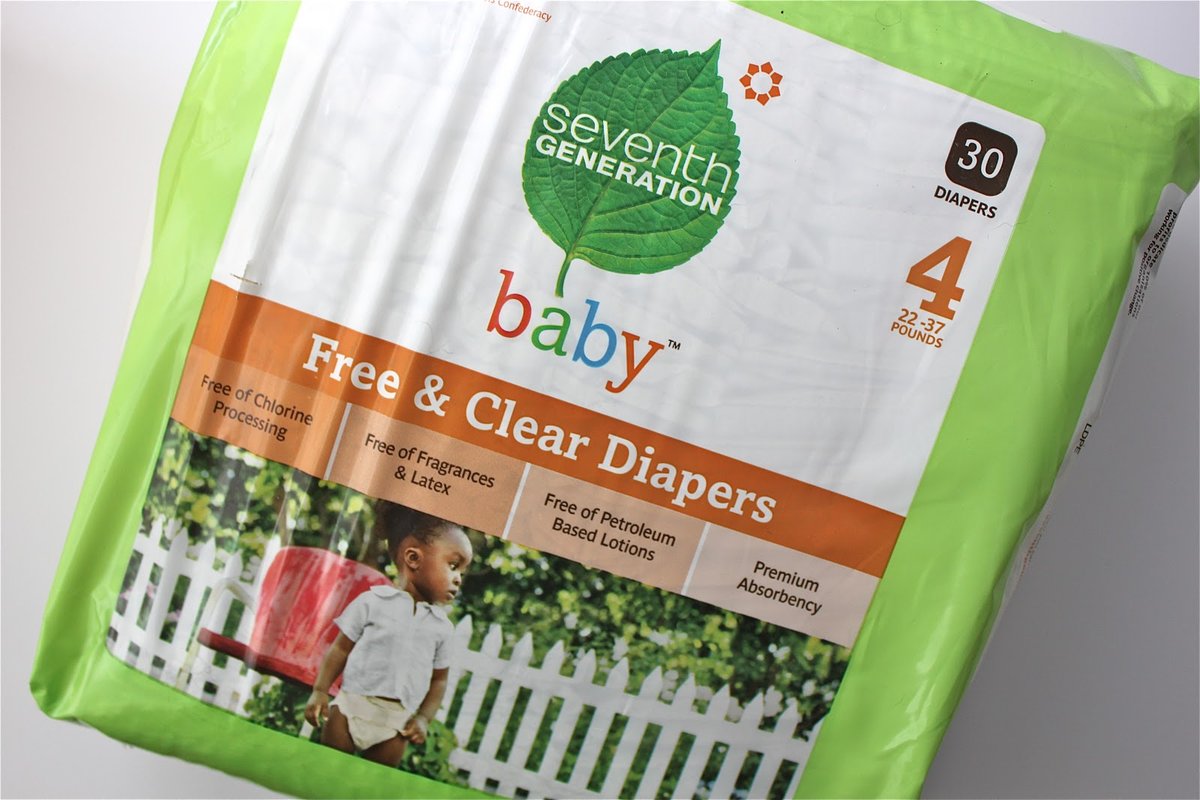
Choosing the right diaper for your little one feels like a monumental task, especially when you're balancing performance with planetary well-being. Amidst a sea of options, Seventh Generation Diaper Reviews & Performance often surface in conversations among eco-conscious parents. This brand has carved out a niche, promising protection that's gentle on baby and earth, but does it truly deliver on those promises?
We've sifted through the details, absorbed parent feedback, and dug into the specs to bring you a comprehensive guide on Seventh Generation's diaper offerings. Get ready to peel back the layers – literally – and discover if these diapers are the perfect fit for your family's needs.
At a Glance: Seventh Generation Diapers
Before we dive deep, here's a quick look at what sets Seventh Generation diapers apart:
- Eco-Friendly Focus: Committed to sustainably sourced materials and transparency, manufactured in the USA.
- Chemical-Free Promise: Both lines are free from chlorine, latex, parabens, fragrances, lotions, dyes, and other harsh chemicals, making them hypoallergenic.
- Two Key Lines:
- Sensitive Protection Baby Diapers: All-day use, good absorbency, no wetness indicator.
- Free & Clear Overnight Diapers: Max absorbency for extended sleep, unique purple design, also no wetness indicator.
- Not Biodegradable: While eco-conscious, neither diaper line is designed to biodegrade.
- Price Point: Competitively priced within the eco-friendly diaper market.
- Availability: Widely available online; in-store availability can be more limited depending on location.
Why Seventh Generation? The Eco-Conscious Choice for Your Baby's Bottom
When you embark on the diapering journey, the choices can be overwhelming. For many, the desire to make environmentally responsible decisions without compromising on performance leads them straight to brands like Seventh Generation. Founded in 1988 and now part of Unilever, the company has built its reputation on a commitment to transparency and sustainable practices. Their dedication extends to manufacturing their diapers right here in the USA, aiming to shrink their carbon footprint from production to your changing table.
This isn't just marketing fluff; it's a core philosophy. They actively use sustainably sourced materials and strive for open communication about their processes and ingredients. For parents concerned about the long-term impact of their choices, understanding the integrity behind Seventh Generation diapers is often the first step in the decision-making process.
Diving Deep: Seventh Generation Sensitive Protection Baby Diapers
Seventh Generation's Sensitive Protection line is the everyday hero, designed for round-the-clock wear with an emphasis on gentleness and effective protection. If your baby has sensitive skin or you simply want to minimize exposure to common irritants, this line is likely on your radar.
What Makes Them "Sensitive"? Unpacking the Materials
The "sensitive" in Sensitive Protection isn't just a marketing buzzword. These diapers are crafted from FSC-certified, sustainably sourced wood pulp and other plant-based materials. Crucially, they are entirely free from the usual suspects that can cause irritation: chlorine, latex, parabens, fragrances, lotions, dyes, and other harsh chemicals. This deliberate exclusion makes them a hypoallergenic choice, often providing peace of mind for parents whose babies react to conventional diaper ingredients.
However, it's important to note: while they significantly reduce exposure to many problematic chemicals, they are not biodegradable. This is a common point of confusion for eco-friendly products, and it's essential to set expectations correctly. They offer a "cleaner" diapering experience, but their end-of-life journey is still in the landfill.
Day-to-Day Performance: Absorbency, Fit, and Those Tricky Leaks
Absorbency is the make-or-break feature for any diaper. Seventh Generation Sensitive Protection diapers aim for up to 12 hours of protection, making them suitable for most day and even some night uses. For many parents, this claim holds true, providing solid daytime absorbency.
However, real-world use isn't always perfect. Some parents report occasional leaks, particularly during heavy wetting episodes or with very active babies. These aren't specifically marketed as "blowout protection" diapers, and some users have indeed experienced issues with containing larger messes. It highlights a common diapering dilemma: what works perfectly for one baby might not for another, especially when it comes to the sheer volume and velocity of a baby's output!
When it comes to comfort and fit, the Sensitive Protection line features a breathable layer and soft materials designed to prevent irritation. They generally offer a true-to-size fit with flexible stretch tabs, which is great for a comfortable, snug feel. Yet, as with any diaper brand, fit can be subjective. Some users find them either too tight or too loose in certain areas, potentially leading to the very leaks they're designed to prevent.
Key Features (and what they mean for you):
- No wetness indicator: This is a common feature in many mainstream brands, signaling when a diaper is wet. Seventh Generation opts out. This means you'll need to rely on the old-fashioned "pat test" or visual inspection to determine if a change is needed. For new parents, this can feel like a missing convenience, but seasoned parents often don't rely on them anyway.
- User-friendly design with durable fasteners: The tabs are generally strong and hold up well, allowing for adjustments without tearing.
- No specific blowout protection advertising: This is where some parents feel a gap, especially during those early, unpredictable months.
Sizes, Price, and Who They're For
Seventh Generation Sensitive Protection diapers are available in a comprehensive range of sizes, from Newborn (up to 10 lbs) all the way to Size 6 (35+ lbs), accommodating babies through most of their diapering journey.
Priced at an average of $0.19 per diaper, they are competitively positioned within the eco-friendly diaper market. While slightly more expensive than budget conventional brands, they often come in cheaper than some other premium eco-friendly options. Keep an eye out for discounts, bulk purchases, and subscription services, which can further reduce the per-diaper cost.
Ideal For: Babies with sensitive skin, parents who prioritize sustainability and chemical-free products for daily use, and those seeking a reliable, mid-range eco-friendly option.
Conquering the Night: Seventh Generation Free & Clear Overnight Diapers
The holy grail for many parents is a diaper that can last through 11-12 hours of uninterrupted sleep – for both baby and parent. Seventh Generation's Free & Clear Overnight Diapers are specifically engineered for this demanding task, prioritizing maximum absorbency and a secure fit to prevent those dreaded middle-of-the-night sheet changes.
Designed for Dreamland: Absorbency That Holds Up
This is where the Overnight line truly shines. Parents consistently praise its highly impressive absorbency. These diapers are designed to keep babies dry for the full 11-12 hours without leaks or that tell-tale urine smell, even when significantly saturated. What's surprising to some is their relative thinness compared to many other "overnight" diapers on the market. Don't let the slim profile fool you; they perform effectively, leveraging advanced absorbent cores to lock away moisture.
Snug & Secure: Fit for Active Sleepers
A diaper can be super absorbent, but if it doesn't stay put, it's useless. The Free & Clear Overnight Diapers are known for their snug yet stretchy fit. They feature roomy leg holes, which are crucial for comfort and preventing irritation around chubby thighs, along with effective cuffs that act as a second line of defense against leaks. The high waistband is a particular highlight, praised for staying in place even with active sleepers, and combined with durable, sticky tabs, it ensures the diaper remains secure throughout the night. Many parents with tall, lanky babies find these particularly well-suited due to their generous cut.
Unique Features That Stand Out
- No wetness indicator: Just like their Sensitive Protection counterparts, the Overnight diapers lack a wetness indicator. Given their deep purple color, it would be difficult to see anyway, and for overnight use, a full diaper is often expected by morning, making the indicator less critical.
- Distinctive deep purple color with sheep, stars, and moon designs: This unique aesthetic makes them instantly recognizable as the overnight option. The designs are charming and child-friendly, adding a fun touch to a practical product.
Sizes, Price Point, and When to Choose Them
The Free & Clear Overnight Diapers are available in specific, larger sizes: Size 4 (20-32 lbs), Size 5 (27-35 lbs), and Size 6 (35+ lbs). This focus on older, heavier babies makes sense for overnight protection, as smaller babies typically wake more frequently for feeds and changes. However, there's a noted desire among parents for smaller sizes (like 2 or 3) to introduce overnight protection earlier.
As expected, these specialized overnight diapers are more expensive than standard daytime diapers. However, they remain competitively priced within the premium eco-friendly segment, often being more affordable than alternatives like Honest diapers while offering comparable quality and transparency. For many, the investment is well worth it to avoid multiple nighttime changes and ensure a restful night for everyone.
Ideal For: Babies who sleep 11-12 hours straight, those with sensitive skin needing robust nighttime protection, and parents who prioritize preventing soiled sheets and clothing above all else during the longest stretches.
Beyond the Box: What's Really Inside Your Diaper?
Understanding the composition of any product that touches your baby's skin daily is vital. Seventh Generation is more transparent than many brands, which is a big plus for informed parents.
Decoding the Ingredients List
Both diaper lines share a core set of materials:
- Totally Chlorine-Free (TCF) processed wood fluff pulp: This is the primary absorbent material, sustainably sourced. TCF processing avoids the use of chlorine, which can release harmful dioxins.
- Sodium polyacrylate: This super-absorbent polymer (SAP) is a common, highly effective ingredient in almost all disposable diapers, responsible for locking away liquid and preventing leaks.
- Polypropylene, Polyethylene, Polyolefins, Polyurethane: These are synthetic plastics used for the diaper's outer cover, inner liner, and elastic elements, providing structure and leak protection.
- Adhesives: Used to hold the different layers together.
- Polymer spandex: Provides elasticity for a snug fit.
- Inks (external printed designs) and Pigments: Used for the visual designs on the diaper. Seventh Generation specifically states their inks are free of lead/heavy metals for their overnight line.
This list reflects a blend of natural and synthetic materials. While the brand emphasizes plant-based components, the inclusion of synthetic polymers and plastics is necessary for the performance parents expect from a disposable diaper – particularly for absorbency and leak protection.
"Non-Toxic": What Does It Truly Mean Here?
The term "non-toxic" can be a bit of a minefield in consumer products. Seventh Generation diapers are certainly "cleaner" and hypoallergenic due to their deliberate absence of harsh chemicals like chlorine, latex, parabens, fragrances, lotions, and dyes. This commitment makes them an excellent choice for babies with sensitive skin and parents who want to minimize exposure to common irritants.
However, it's crucial to understand that "cleaner" doesn't equate to "entirely non-toxic" in the strictest sense, particularly because they still contain some synthetic materials like sodium polyacrylate and various plastics. These synthetic components, while generally considered safe in diaper applications, mean the diapers are not purely natural or biodegradable. It's a balance between environmental considerations, safety, and the practical performance demanded by parents.
Making the Switch: Practical Advice for Parents
Navigating the world of diapers can be tricky, especially when introducing a new brand or considering a split strategy. Here’s some actionable advice based on common parent experiences:
The "Day Diaper, Night Diaper" Strategy
This is a popular and cost-effective approach for many families. If Seventh Generation's Overnight diapers perform exceptionally well for your baby but the Sensitive Protection daytime ones are prone to leaks, or if the cost of using the Overnight diapers for 24/7 wear feels too high, consider using the Free & Clear Overnights only at night. During the day, you can opt for a different, potentially more budget-friendly or a better-fitting brand, or even the Sensitive Protection line if they work well enough for daytime changes. This strategy maximizes protection where it's most needed while managing overall expenses.
Testing New Brands: A Daytime Affair
When you decide to try a new diaper brand, always start during the day. This simple piece of advice can save you a lot of frustration (and laundry!). Daytime offers more frequent changes, allowing you to monitor for absorbency issues, leaks, or skin reactions without the added stress of a sleepless night. You can observe how the diaper fits your baby's unique shape, how well it holds up to their activity level, and if there are any redness or rashes developing before committing to a full pack or risking an overnight disaster.
Navigating Availability and Value
While Seventh Generation diapers are readily available online through major retailers like Amazon, Target, and Walmart, their in-store availability can be more limited depending on your geographic location and local store stock. If you prefer to shop in person, it's a good idea to check local grocery stores, natural product stores, or pharmacies.
To maximize value, keep an eye out for sales, subscribe-and-save options, and bulk purchase discounts online. Many retailers offer significant savings for setting up recurring deliveries, which not only lowers the per-diaper cost but also ensures you never run out. Comparing the per-diaper cost, especially when on sale, is the best way to determine the true value of any diaper brand.
Common Questions Parents Ask About Seventh Generation Diapers
Let's address some of the most frequent queries parents have about Seventh Generation diapers, providing clear and concise answers.
Are Seventh Generation diapers biodegradable or compostable?
No, neither the Sensitive Protection Baby Diapers nor the Free & Clear Overnight Diapers are biodegradable or compostable. While they utilize sustainably sourced, plant-based materials and avoid harsh chemicals, they still contain synthetic components necessary for their absorbency and performance as disposable diapers. This means they will end up in a landfill.
Do Seventh Generation diapers have a wetness indicator?
No, neither of Seventh Generation's primary diaper lines (Sensitive Protection or Free & Clear Overnight) features a wetness indicator strip. Parents will need to rely on checking the diaper manually for fullness.
Are Seventh Generation diapers truly chemical-free?
Seventh Generation diapers are free from many harsh chemicals commonly found in conventional diapers, including chlorine, latex, parabens, fragrances, lotions, and dyes. This makes them a "cleaner" and hypoallergenic option, ideal for sensitive skin. However, they do contain some synthetic materials like sodium polyacrylate (SAP) and various plastics (polypropylene, polyethylene) which are standard in disposable diapers for performance. So, while free of harsh chemicals, they are not entirely synthetic-free.
How do Seventh Generation diapers compare to other eco-friendly brands like Honest Company?
Seventh Generation diapers are often praised for their transparency in ingredients and their commitment to sustainable sourcing and USA manufacturing. Pricewise, they tend to be more affordable than some other premium eco-friendly brands, such as Honest Company diapers, while offering comparable quality and a strong eco-friendly ethos. Performance can vary by baby, but both brands focus on gentle, chemical-free options.
Final Word: Are Seventh Generation Diapers the Right Choice for Your Family?
Deciding on the perfect diaper is a highly personal choice, influenced by your baby's unique needs, your family's budget, and your environmental values. Seventh Generation offers a compelling option for parents who prioritize a balance of performance, gentleness, and eco-consciousness.
If your baby has sensitive skin, or you're keen to minimize their exposure to harsh chemicals, the Sensitive Protection line is an excellent starting point for daytime use. And for those precious hours of sleep, the Free & Clear Overnight Diapers stand out for their robust absorbency and secure fit, often proving to be a game-changer for restful nights.
While they aren't biodegradable, Seventh Generation's commitment to sustainable materials, transparency, and USA manufacturing offers a responsible choice within the disposable diaper category. By understanding their strengths and limitations – from the lack of a wetness indicator to the "cleaner" vs. "all-natural" distinction – you can make an informed decision that truly aligns with your family's priorities. Give them a try, starting with a small pack and during the day, and see how they stack up for your little one.