When you think about the essentials of baby care, diapers are likely at the top of the list. They're a modern convenience that makes life with a little one immeasurably easier. But have you ever paused to consider the true Sustainability & Environmental Impact of Diapers? What seems like a simple, everyday item carries a surprisingly heavy environmental footprint, from its creation to its final resting place. This isn't just about what you throw away; it's about the bigger picture of resource consumption, pollution, and even potential health implications for our little ones.
Understanding this impact isn't about guilt-tripping parents. It's about empowering you with knowledge, so you can make informed choices that align with your family's values and contribute to a healthier planet for the next generation. Let's unpack the real cost of diapers, beyond the price tag.
At a Glance: Diapers' Environmental Story
- Manufacturing Demands: Diaper production is energy and water intensive, relying on non-renewable petroleum and wood pulp, and using various chemicals.
- Massive Waste Problem: Billions of disposable diapers end up in landfills annually, taking centuries to decompose and releasing potent greenhouse gases like methane.
- Pollution Risk: Chemicals from discarded diapers can leach into groundwater, harming ecosystems.
- Potential Health Concerns: Some disposable diapers contain chemicals like dioxins and phthalates that may irritate sensitive baby skin.
- Greener Options Exist: Cloth diapers, plant-based biodegradables, and practices like elimination communication offer significant environmental benefits.
- Collective Action: Solutions require consumers, industry, and government to work together for sustainable diapering.
The Unseen Burden: Why Diapers Matter More Than You Think
Disposable diapers, a game-changer when they hit the market in the 1950s, quickly became a staple in Western households. Their convenience is undeniable: absorbency, leak protection, and easy disposal revolutionized infant care. Yet, this convenience came at an ecological price that most of us are only just beginning to grasp.
These ubiquitous hygiene products are complex feats of engineering. They're typically crafted from a multi-layered cocktail of materials: petroleum-based plastics like polyethylene and polypropylene for the outer and inner liners, wood pulp for absorbency, and superabsorbent polymers (SAPs) that can soak up many times their weight in liquid. While incredibly effective, each component carries its own environmental baggage, accumulating into a significant collective impact across its entire lifecycle.
The Lifecycle Footprint: Where Diapers Take Their Toll
To truly understand the sustainability challenge, we need to trace a diaper's journey from raw material to final disposal. It's a path laden with resource demands and environmental consequences at every turn.
Manufacturing's Heavy Lift: From Raw Materials to Retail Shelf
Creating a disposable diaper is far from a simple process. It's an industrial operation demanding vast resources and chemical inputs.
- Energy and Water Guzzlers: The extraction, transportation, and conversion of raw materials into diaper components consume substantial energy, often derived from fossil fuels. Equally critical is the water footprint – large volumes are needed for cleaning, cooling, and rinsing throughout the manufacturing process.
- A Chemical Cocktail: Producing the various layers and components involves a range of chemicals. Chlorine compounds are often used for bleaching wood pulp, which can release dioxins – persistent environmental pollutants. Phthalates, used to make plastics more flexible, and dyes, which can contain heavy metals, are also part of the mix. These chemicals raise concerns not just for the environment but also for direct contact with sensitive baby skin.
- Raw Materials: A Finite Story: The core ingredients of most disposable diapers tell a tale of resource depletion. Wood pulp, while renewable, contributes to deforestation if not sourced sustainably. Petroleum-based plastics, on the other hand, are derived from non-renewable fossil fuels, contributing to our reliance on finite resources and the impacts of oil extraction.
Landfills' Long Memory: A Centuries-Long Decomposition Challenge
Once used, disposable diapers become a formidable waste management challenge.
- An Avalanche of Waste: Consider this: approximately 20 billion disposable diapers are discarded annually in the United States alone. That's a staggering volume, and they all have to go somewhere. The "somewhere" for the vast majority is a landfill.
- The Hundred-Year Nap: Due to their synthetic materials and the anaerobic (oxygen-poor) conditions found in landfills, these diapers don't just disappear. They can take several hundred years to decompose – far longer than a human lifetime. Each diaper tossed becomes a lasting monument to our consumption.
- Methane Emissions: As the organic components (like human waste) in diapers decompose in landfills without oxygen, they produce methane. Methane is a potent greenhouse gas, far more effective at trapping heat in the atmosphere than carbon dioxide over a short-term period, directly accelerating climate change.
- Leaching Toxins: The chemicals used in diaper manufacturing, alongside those present in the waste itself, can leach into the surrounding environment. This contaminated leachate can seep into groundwater and water bodies, polluting aquatic ecosystems and harming aquatic life, creating a ripple effect through the environment.
The Warming Equation: Diapers and Climate Change
The climate impact of diapers isn't limited to methane from landfills. It's a cumulative effect across their entire existence.
From the energy consumed to extract oil for plastics, to the fuel burned transporting wood pulp, to the factories humming with production, and finally to the trucks hauling waste to landfills, every stage of a disposable diaper's lifecycle contributes to significant CO2 and other greenhouse gas emissions. This full lifecycle carbon footprint adds another layer to their environmental story, underscoring their contribution to global warming and the broader climate crisis.
Beyond the Environment: Potential Health Ripples for Your Baby
While the environmental impact is substantial, it's also worth considering the direct implications for the little humans wearing these products. A baby's skin is incredibly delicate and permeable, making direct contact with certain chemicals a point of concern for many parents.
Disposable diapers contain a cocktail of substances such as dioxins (trace byproducts of chlorine bleaching), phthalates (used in plastics), and other chlorine compounds. When these chemicals are in constant, direct contact with a baby's sensitive skin, there's a potential for irritation, allergic reactions, and even long-term health effects that are still being studied.
One of the most common and immediate health concerns associated with disposable diapers is diaper rash. While many factors contribute to diaper rash, the materials and trapped moisture within certain disposable diapers can exacerbate the condition, making a baby uncomfortable and prone to skin breakdown.
Beyond Disposables: Exploring Greener Paths
The good news is that the conversation around diapering is evolving, and innovative alternatives are gaining traction. For parents looking to reduce their environmental footprint and potentially minimize chemical exposure for their babies, several options offer a more sustainable path.
Reusable Revolution: The Power of Cloth Diapers
Cloth diapers are perhaps the most well-known alternative, representing a significant return to a more traditional approach, albeit with modern advancements.
- Materials Matter: Today's cloth diapers are a far cry from the pins and plastic pants of yesteryear. They're typically made from natural fibers like cotton, bamboo, or hemp, often featuring waterproof covers and easy-to-use snaps or hook-and-loop closures. These materials are soft, breathable, and designed for repeated washing and reuse.
- Waste Reduction Champion: The most obvious benefit of cloth diapers is the dramatic reduction in landfill waste. Instead of being discarded after each use, they are washed and reused hundreds of times, effectively eliminating tons of diaper waste from landfills.
- Lower Carbon Footprint (with Caveats): While washing cloth diapers requires energy and water, numerous lifecycle analyses suggest they generally have a lower carbon footprint than disposables, especially if washed efficiently (full loads, cold water, line drying). The absence of resource-intensive manufacturing for each individual diaper makes a substantial difference.
- Biodegradable Liners: For easier cleanup, many parents use biodegradable liners that can be flushed or composted, containing solid waste and simplifying the washing process. This combines the convenience of disposables for waste management with the reusability of cloth.
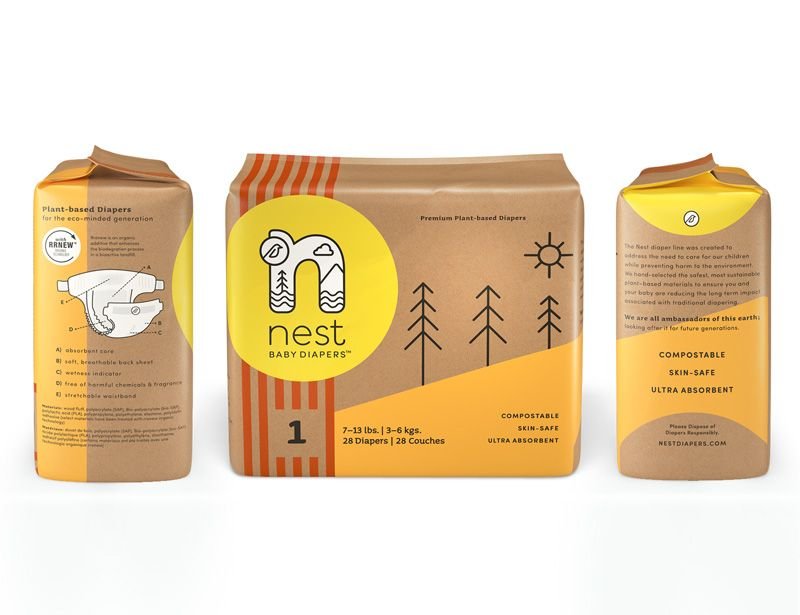
The Middle Ground: Biodegradable & Plant-Based Disposables
For parents who appreciate the convenience of disposables but are concerned about their environmental impact, biodegradable and plant-based disposable diapers offer a promising "middle ground."
- Nature-Inspired Materials: These diapers are crafted from a higher percentage of plant-based materials, such as cornstarch, bamboo, or sugarcane. The idea is that these natural components will break down faster and more completely than the synthetic plastics found in traditional disposables.
- Faster, But Not Always Fast Enough: Under ideal composting conditions (high heat, specific moisture levels, and microbial activity), many biodegradable diapers are designed to decompose significantly faster – often in under five years. However, the crucial caveat is "ideal composting conditions." Most still end up in conventional landfills, where the anaerobic environment slows decomposition to a crawl, often rendering their "biodegradable" claims less effective in practice.
- Bamboo's Boom: Among plant-based options, bamboo disposable diapers have gained considerable popularity. Bamboo is an incredibly fast-growing, renewable resource that requires little water and no pesticides to thrive. It's also naturally hypoallergenic and has antibacterial properties, making bamboo diapers a gentle and sustainable choice for babies.
An Ancient Practice: Elimination Communication
Stepping away from products altogether, Elimination Communication (EC), or "infant potty training," is a practice that aims to minimize diaper use through early toilet training.
- Learning Cues: Caregivers learn to recognize and respond to a baby's elimination cues (e.g., grunting, squirming, specific facial expressions) and offer them opportunities to relieve themselves in a toilet, potty, or designated area.
- Reducing Dependence: By starting as early as birth or a few months old, EC can significantly reduce the number of diapers a baby uses over their infancy and toddlerhood, some babies even becoming "diaper-free" much earlier than their peers.
- Environmental & Financial Wins: The environmental benefits are clear: fewer diapers consumed means less waste and less resource drain. Financially, it can also lead to substantial savings on diaper purchases.
Making a Difference: Your Guide to Sustainable Diapering
Navigating the world of diapers with an environmental conscience can feel overwhelming, but every small step contributes to a larger positive impact. Here's how you can make a difference, from your own choices to advocating for bigger changes.
Smart Choices for Parents: Empowering Your Family
As the primary decision-makers, parents have significant power to influence the environmental impact of their diapering journey.
- Educate and Adapt: Start by understanding the options. Knowledge is your best tool. Then, consider what works for your family's lifestyle, budget, and values.
- Reduce, Reuse, Rethink:
- Reduce Diaper Changes (When Appropriate): While hygiene is paramount, consider if every damp diaper truly needs immediate changing. Sometimes, a slightly damp diaper might not warrant an immediate swap, reducing overall consumption.
- Embrace Reusables: Opt for reusable cloth wipes instead of disposable ones. They save money and reduce waste. Pair them with eco-friendly diaper creams.
- Consider Early Potty Training/EC: Even if you don't fully commit to elimination communication, being mindful of your baby's cues and starting potty training earlier can significantly cut down on diaper usage.
- Choosing Disposables Wisely (If You Use Them): If disposable diapers are your primary choice, make them count. Look for brands committed to sustainability, such as Seventh Generation diapers, that offer:
- All-Natural & Chlorine-Free: Reduces exposure to harsh chemicals and dioxins.
- Hypoallergenic: Better for baby's sensitive skin.
- Sustainable Materials: Diapers made from bamboo, hemp, or other plant-based materials generally have a lower impact due to renewable resources and faster degradation (though landfill conditions remain a factor).
- Remember, even a hybrid approach – using cloth at home and eco-disposables for outings – can make a substantial difference. When considering eco-conscious options, from brands such as Seventh Generation, investigate their full product claims.
Industry's Role: Innovation & Responsibility
Diaper manufacturers hold significant power to shift the industry towards greater sustainability. Their initiatives are crucial for systemic change.
- Sustainable Material Innovation: The push for alternative, truly biodegradable, and renewable materials must continue. This includes research into plant-based plastics, advanced bio-polymers, and sustainably sourced wood pulp alternatives.
- Greener Manufacturing: Manufacturers can mitigate their impact by investing in energy-efficient production processes, transitioning to renewable energy sources, and implementing water-saving measures within their factories. Reducing emissions from factories and supply chains is also paramount.
- Diaper Recycling Technologies: A critical frontier is the development of scalable and cost-effective recycling technologies for disposable diapers. Imagine a future where used diapers are processed to recover plastics and absorbents, diverting them from landfills entirely. Several pilot programs globally are exploring this, and industry support is vital for their widespread adoption. Exploring options like Seventh Generation and similar companies that are often at the forefront of such initiatives can guide your choices.
Government's Hand: Policies for a Greener Future
Governments have a crucial role in shaping consumer behavior and industry practices through policy and incentives.
- Mandatory Labeling: Implementing clear, mandatory labeling requirements for diapers that disclose materials and their environmental impact would empower consumers to make truly informed choices, similar to nutrition labels on food.
- Incentives for Eco-Friendly Options: Governments can offer tax breaks, subsidies, or grants for families choosing cloth diapers or purchasing certified eco-friendly disposable options. This could make sustainable choices more financially accessible.
- Support for Recycling Programs: Collaborating with industry to establish and fund effective diaper recycling programs is essential. This could involve creating collection points, investing in processing infrastructure, and even regulating waste disposal to encourage recycling over landfilling. Companies committed to reducing their footprint, like Seventh Generation, often benefit from or advocate for such policies.
Disposal Done Right: Maximizing Impact, Minimizing Harm
Even with the best intentions, knowing how to dispose of diapers responsibly can be tricky.
- Composting Biodegradables: If you're using biodegradable diapers, actively seek out local industrial composting services. While home composting might not reach the high temperatures needed to break down all components, commercial facilities are often equipped for it. Always check with your local waste management provider about their capabilities.
- The Hybrid Approach: Don't feel pressured to go "all or nothing." Mixing cloth and disposable options is a fantastic way to reduce your overall diaper footprint. Use cloth at home, and perhaps a more sustainable disposable when out and about. This flexibility can make sustainable diapering more manageable for busy parents. When choosing the disposable part of your hybrid system, exploring brands like Seventh Generation can be a good starting point for balancing convenience with conscience.
Common Questions About Diaper Sustainability
It's natural to have questions when delving into a complex topic like diaper sustainability. Here are some common ones, distilled for clarity.
Are biodegradable diapers truly green in a landfill?
Unfortunately, in most conventional landfills, "biodegradable" doesn't necessarily mean "breaks down quickly." Landfills are designed to entomb waste, creating anaerobic (oxygen-free) conditions that significantly slow decomposition for almost all materials, including many "biodegradable" ones. For a biodegradable diaper to truly decompose as intended, it often requires industrial composting facilities with specific temperature, moisture, and microbial conditions. Always check if your local waste management supports commercial composting for such products.
How much water does washing cloth diapers actually use?
While washing cloth diapers does use water and energy, numerous lifecycle assessments suggest their overall environmental impact, including water usage, is generally lower than disposable diapers. The water used to manufacture each disposable diaper (from growing wood pulp to processing plastics) far outweighs the water used for home laundering over a cloth diaper's lifespan. To minimize your cloth diaper washing impact, use a full load, cold water cycles, and air dry when possible.
What about the carbon footprint of shipping eco-diapers?
The transportation of any product, including eco-friendly diapers, contributes to its carbon footprint. However, sustainable diaper options often still come out ahead. While regular disposables also have significant shipping costs (from raw materials to manufacturing to distribution), their heavier weight and bulk, combined with their non-renewable material sources and landfill emissions, often give them a higher overall carbon footprint. Choosing local brands or buying in bulk can further reduce the shipping impact of eco-diapers.
Your Impact, Every Change: Moving Towards Mindful Parenting
The journey of parenting is filled with choices, and the topic of diapers is just one of many where our values and daily habits intersect with the health of the planet. While the scale of the "Sustainability & Environmental Impact of Diapers" might seem daunting, it's crucial to remember that you're not alone in seeking more sustainable paths.
Whether you're exploring the world of cloth, carefully selecting plant-based disposables, or simply aiming for earlier potty training, every mindful choice contributes to a larger shift. The goal isn't perfection, but progress. By understanding the true cost of diapers and embracing the alternatives, you're not only making a difference for the environment but also setting an example for the next generation. Keep learning, keep questioning, and know that your efforts, however small, add up to a significant impact.